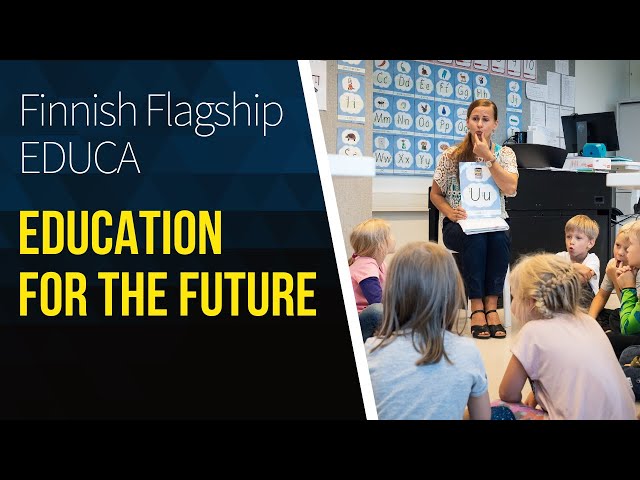
EDUCA Flagship

The EDUCA (Education for the Future) Flagship, funded by the Research Council of Finland, addresses the challenges of decreasing learning achievement, increasing school absences and dropout rates, and digital technology in education by creating a novel research ecosystem that promotes the cross-pollination of methodological and conceptual approaches spanning educational science, psychology, learning analytics, sociology, and economics.
The EDUCA Flagship is creating a unique data infrastructure, integrating existing data while concurrently augmenting it with large-scale data collections and how AI can be used to support education.
EDUCA will generate deeper understanding of the effects of policy reforms and interventions, optimal learning moments and engagement, teacher and principal competences, and ways in which education can better support social and personalized learning processes and more effectively use technology enhanced learning environments in education.
The consortium of the EDUCA Flagship consists of researchers from the Universities of Jyväskylä, Helsinki and Turku, and Aalto University, and is led by Marja-Kristiina Lerkkanen, Professor of Education at the University of Jyväskylä. In total, the consortium brings together hundreds of researchers from Finland and from top universities abroad, such as Harvard, Yale, and Oxford.
News about EDUCA

In his doctoral thesis Haoyan Huang, M.A. examines what helps foster adolescents’ curiosity in learning and under what conditions curiosity contributes to better academic outcomes.
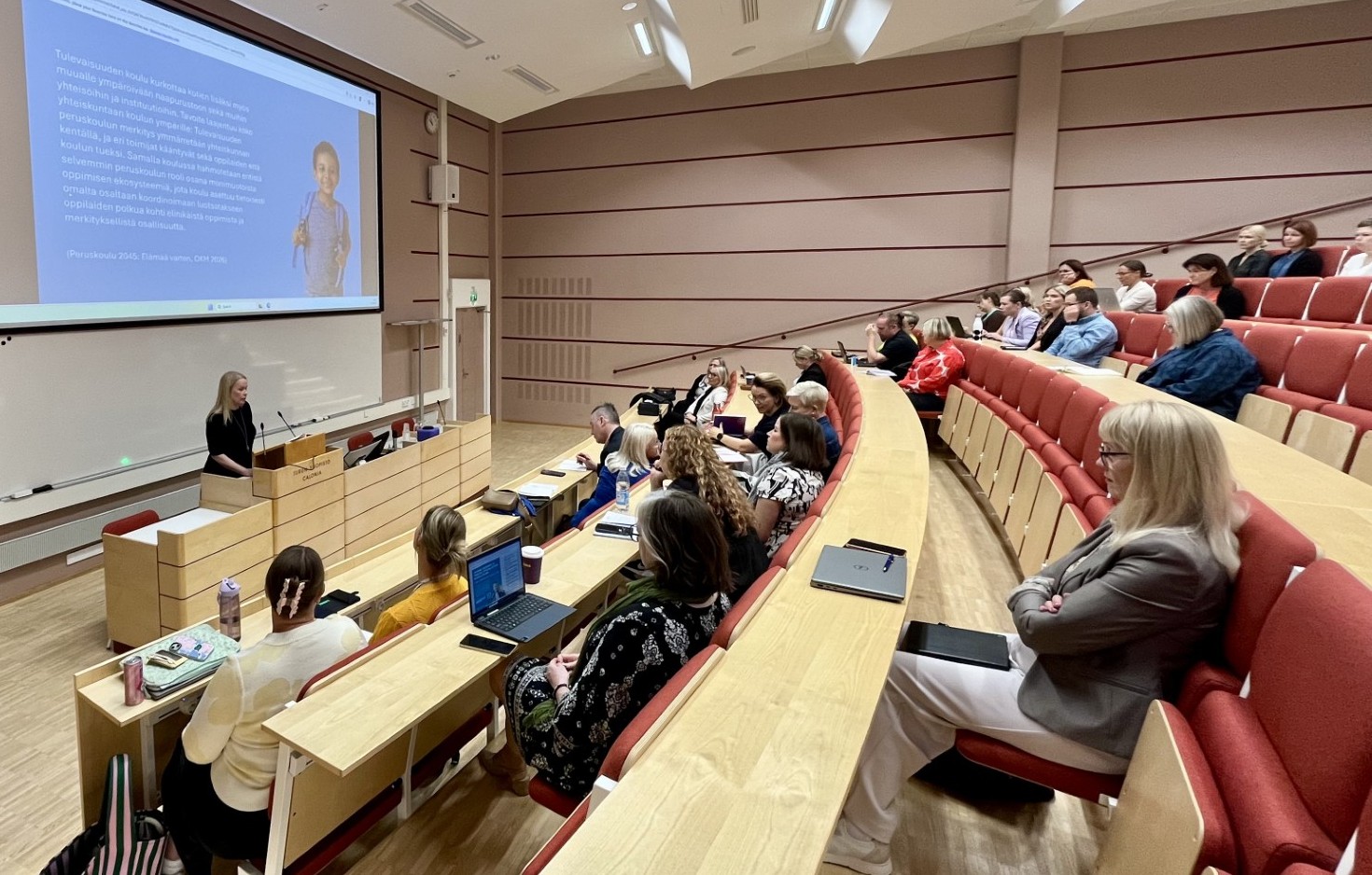
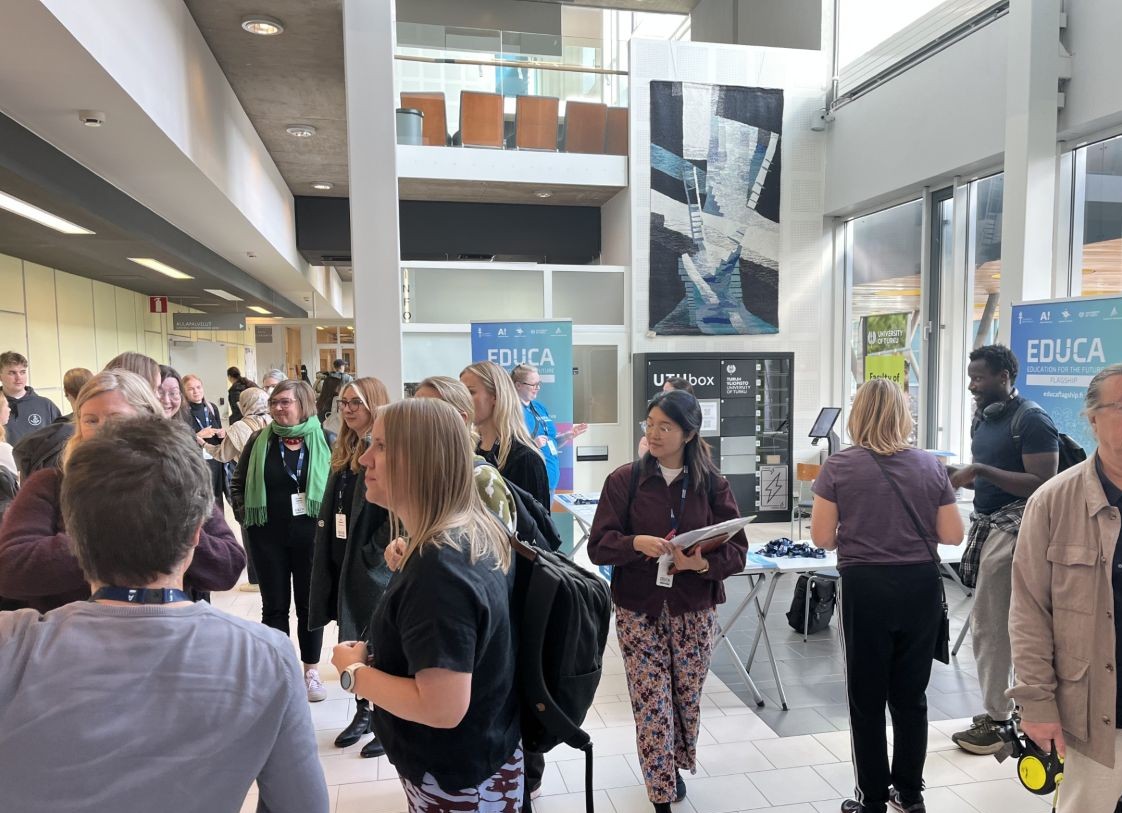
In late August, EDUCA Flagship hosted a one-day seminar at the University of Turku to address current issues in education and young people's well-being. The seminar was aimed at principals and education directors from southwest Finland.
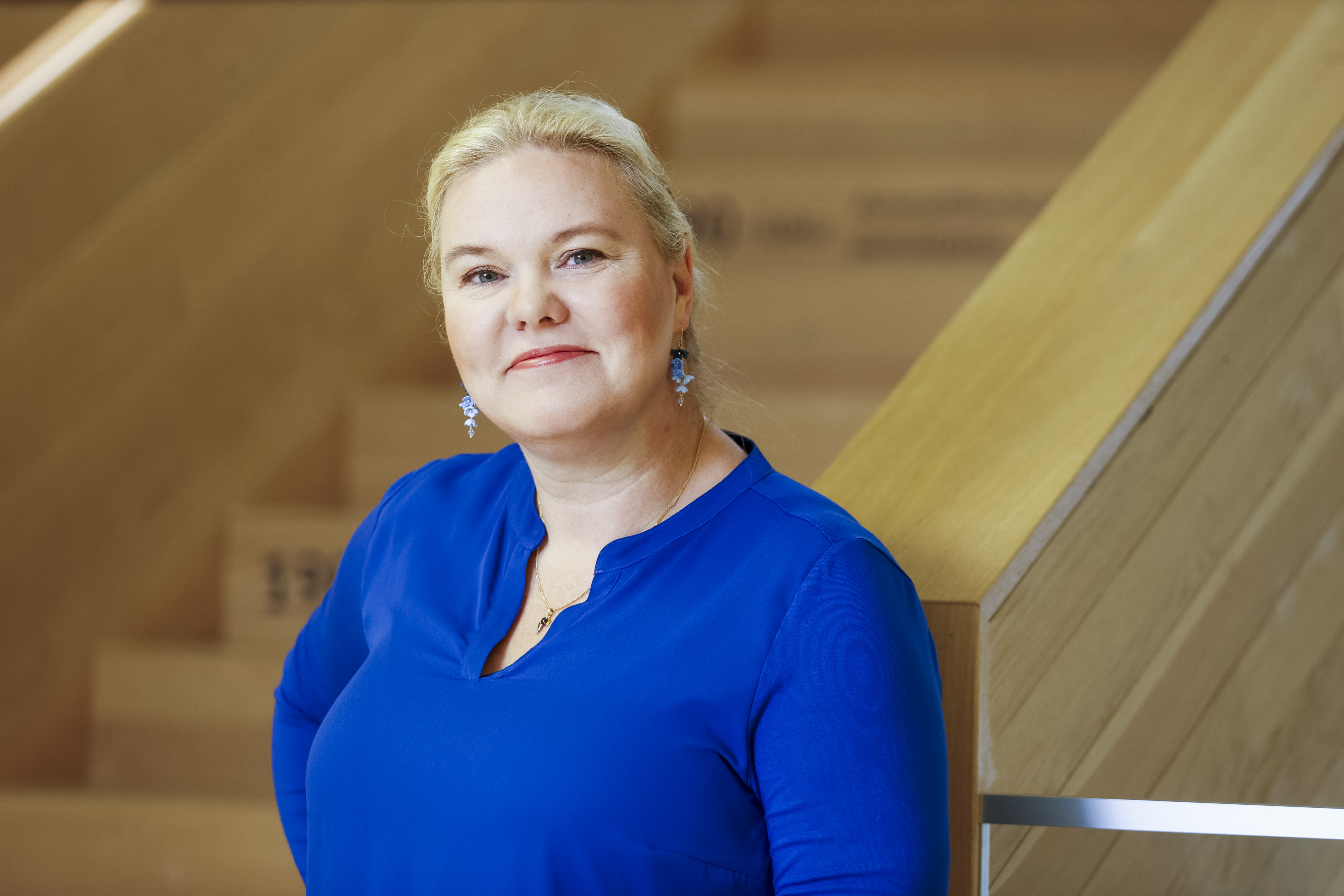
In her EDUCA-column senior researcher Kaisa Leino reflects on what the most important message from the PISA results is.
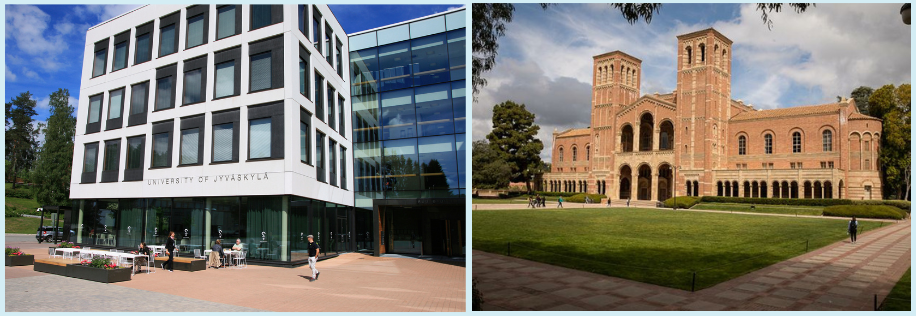
The aim of the memorandum of understanding is to strengthen international cooperation in the areas of research, education and professional development.

According to Educa-Doc doctoral researcher Mitcho Hristov's research group, 15-year-olds who spend the most time on screens in their free time can lag behind their peers by up to a year in math, reading, and science.

If reading is difficult for a child or Finnish is not the native language, support from home is especially important. Working with the child’s school can help identify the right ways to practice, and even short but regular reading sessions, along with rewards for progress, will help improve skills.