PISA 2025 Reminds Us: The Future of Education Is Built Through Research, Not Nostalgia
The latest results of the PISA 2025 study were published in early September. The findings present a mixed picture: by international standards, the performance level of our students remains above the OECD average, yet achievement has been declining for quite some time.
Many people brought up the forthcoming results in conversations with me even before they were released. Although I could not comment on them in advance, I listened with interest to people's speculations. “I find it hard to believe the results will improve,” was a recurring remark. It is therefore no surprise that, once the results were published, few people were genuinely surprised, even though many were disappointed.
What, then, explains the downward trend? This is the question everyone is now asking. The “experts” on online discussion forums, in other words anyone who has ever attended school, have pointed to digital devices, the low achievement of immigrant students, cuts in education funding, phenomenon-based learning, open-plan classrooms, and even the abandonment of traditional desks and handwriting. Many discussions have also expressed nostalgia for “the good old days when teachers maintained discipline and made students learn.”
It is clear, however, that the answer cannot be reduced to any single factor. Rather, we are dealing with a complex set of circumstances in which different factors interact with one another. Society, the home environment, the school and its teachers, and the students themselves all play a role in shaping learning and influencing how the value of education is perceived.
It is clear that the answer to what explains the downward trend in learning outcomes cannot be reduced to any single factor.
In fact, the most important message from the PISA results is not our ranking among countries, nor even the decline in average scores. More significant is the growing disparity between students. At the same time, achievement appears to be weakening even in those families that have traditionally been regarded as having the strongest capacity to support learning. Instead of focusing only on the reasons behind declining achievement, we should also ask why students’ motivation, perseverance, and commitment to schoolwork have diminished. Why are even well-resourced families no longer able to support learning in the ways they once did? Why are teachers becoming exhausted and not always able to provide students with the best possible support for learning?
Success at school is not built solely on knowledge and skills. Equally important are an interest in learning, personal well-being, and a sense that education matters for one’s future. When a young person’s connection to school weakens, the consequences extend beyond learning outcomes. This is not merely an individual or educational challenge, but a broader issue affecting the sustainability of society as a whole.
We need a deeper understanding of the situations and needs of different learners, and of how the communities around them, together with their attitudes and expectations, have changed. We need to ask how children and adolescents can best be supported at school, at home, and more broadly in society. How can we build the kind of collaboration that fosters well-being, participation, and engagement in learning? Such work cannot be guided by intuition or assumptions alone; it must be grounded in research evidence.
This is precisely why the research conducted within the EDUCA Flagship is so important. EDUCA seeks to develop a comprehensive understanding of the factors influencing learning by combining diverse data sources and drawing on perspectives from education, psychology, learning analytics, sociology, and economics. A good example is the EDUCA policy brief published this year, which examines declining learning outcomes through the perspectives of young people themselves. It deepens our understanding of what young people consider meaningful and motivating, and what they believe contributes to declining achievement or could help reverse it.
PISA 2025 is a powerful reminder of the necessity of research-based educational development.
Rather than longing for the success stories of the past, we need an even stronger research-based understanding of how society is changing, how its different sectors are evolving, and how teaching and learning are transforming as part of this broader development. From this perspective, PISA 2025 is not merely an indication of the trends that should concern us. It is also a powerful reminder of the necessity of research-based educational development.
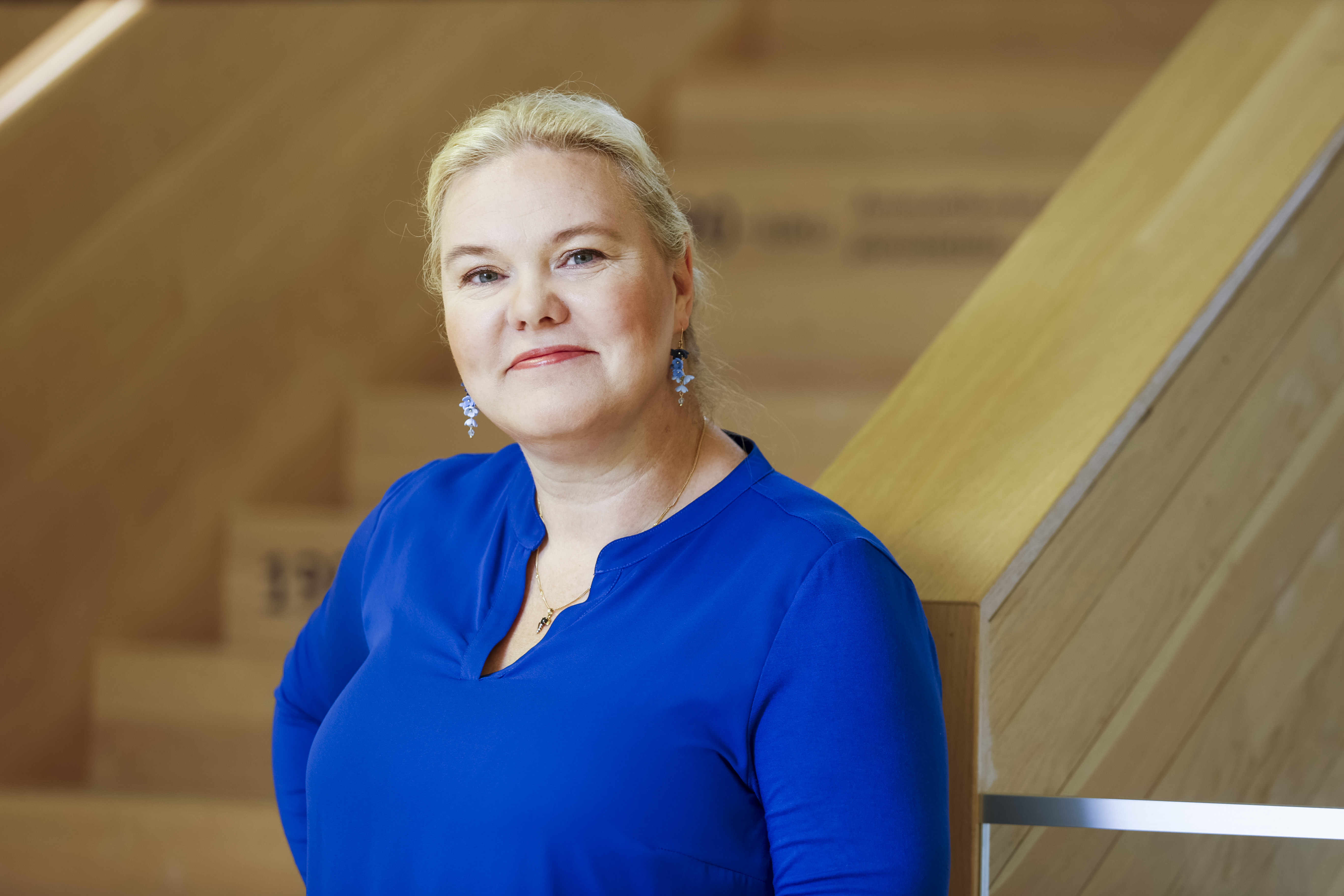
Senior researcher and EDUCA-Doc supervisor Kaisa Leino (FIER, University of Jyväskylä) works in several international large scale assessments (PISA, PIRLS, ICILS, PIAAC) as reading literacy expert.