Highlights from the 9th observation seminar
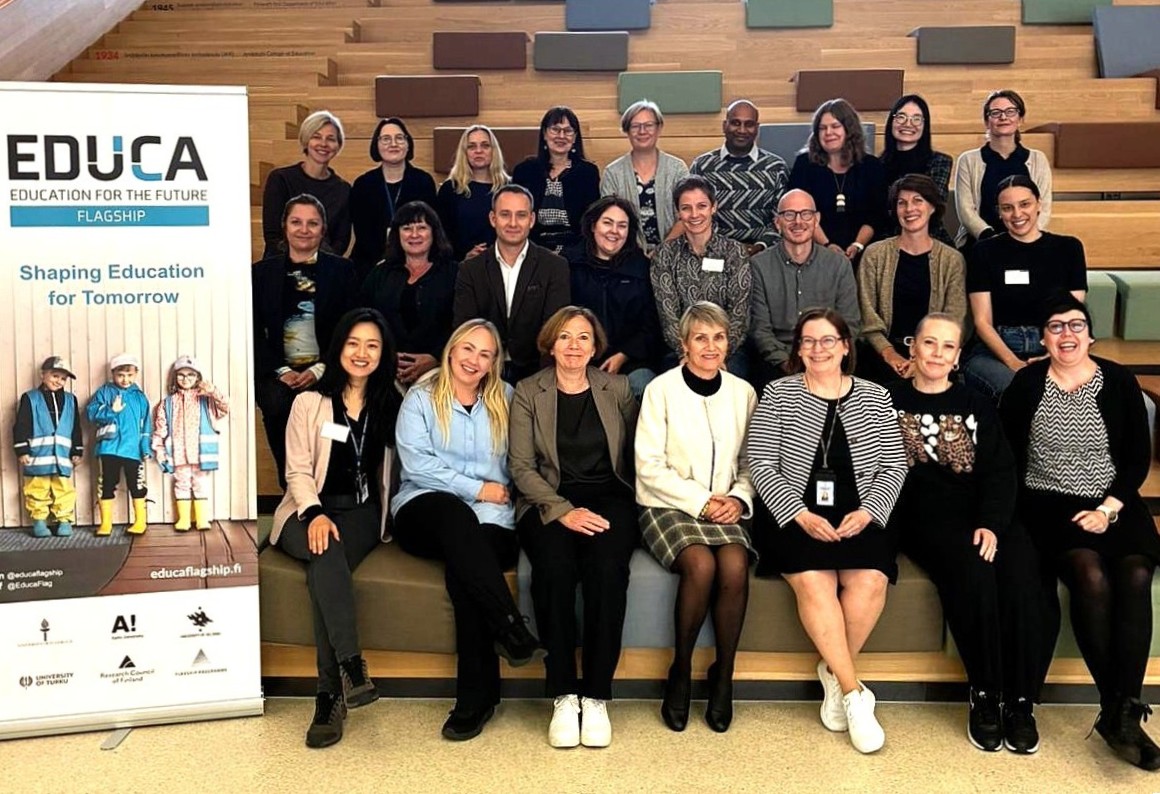
The director of the EDUCA Flagship, Professor Marja-Kristiina Lerkkanen, and Professor of Educational Psychology Sigrun K. Ertesvåg from the University of Stavanger (member of EDUCA's scientific advisory board) founded the network, which has since expanded from the Nordic countries (Finland, Norway, and Sweden) to other parts of Europe. This year, there were also participants joining remotely from Australia and the United States.
Even if the number of participants in the network is limited in order to emphasize the original idea of the workshop, which is genuine interaction and discussion around shared research themes, every year some new researchers also participate in the workshop. This is the best thing about the network, according to Professor Eija Pakarinen, head of research area 2.
"This means we always get new perspectives, which is a good thing. On the other hand, some of the participants have been involved since the beginning of their doctoral studies, and it's great to see how articles have been published and dissertations completed over the years."
This time, the workshop featured two keynotes on topical themes, which also attracted a lot of interest more broadly as they were streamed. The first keynote was given by Professor Rebecca Lazarides (University of Potsdam), who spoke about the use of artificial intelligence in analyzing video material. The second keynote was given by Teachstone CEO and Co-founder Bridget K. Hamre. She spoke about the use of video material as a tool for teachers' professional development.
In addition, University Lecturer Tuomo Virtanen from the University of Jyväskylä gave a methodological presentation on methods of analyzing material and the choices involved.
The keynote speeches and methodological presentation were very timely from the perspective of the research being conducted at the EDUCA Flagship, says Eija Räikkönen.
"They nicely highlighted the crossing of boundaries between research areas. In addition to the participants' oral presentations, the program also included a poster session. After two intensive and rewarding days, we already started brainstorming with the participants about the next meeting to be held next year."