
How can we support children’s reading at home?
Third graders are at an important stage in the development of their reading skills and interest in reading. They still need to practice reading, but at the same time they can already enjoy stories and learn new things by reading. At home, parents can support their children by, above all, encouraging them to pick up interesting texts, spending time together reading, and talking about what they have read.
Reading is a lifelong journey. Most children learn to read during the first grade, some a little earlier and others before starting school. In other words, there are significant differences in the development of children’s reading skills, and even within the same family, siblings may progress at different rates. Children’s reading skills continue to improve and their comprehension develops for several years after they have acquired technical reading skills.
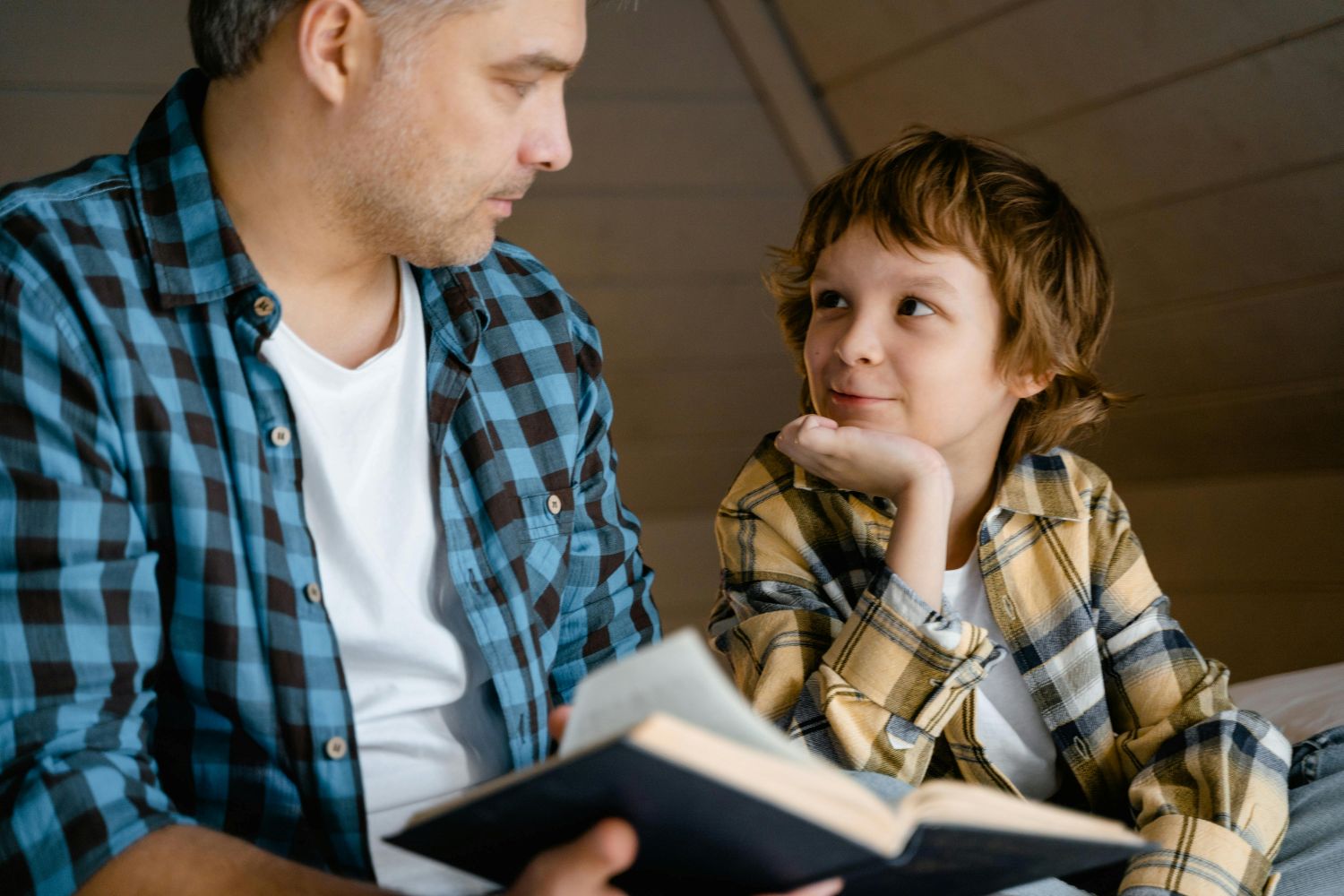
Third graders are at a transitional stage in their reading skills. As their reading skills improve, children become better able to immerse themselves in stories and their interest in reading grows. On the other hand, school education is shifting from learning to read to learning through reading, which poses a new challenge for reading. Both enjoying texts and learning through reading require that the child's ability to read is sufficiently fluent and that they are able to focus primarily on the content of the text. Therefore, improving reading fluency remains an important goal for many children.
What is fluency in reading?
• Reading is accurate, meaning that misread words do not hinder comprehension of the text.
• Reading is sufficiently fast, so that reading individual words does not take up too much of the reader’s attention and they do not lose track of the beginning of the sentence or text as they read.
• Reading is rhythmic and expressive, and individual words stand out clearly.
Around the ages of 9 to10, children may also begin to encounter various forms of online content that pose new challenges for reading skills. It is difficult for children to avoid online text and video content, even if they do not have direct access to the internet or their own digital device. This makes assessing the reliability of information, or critical reading, an important new skill. This can be practised safely with an adult, for example by searching for information on topics that interest the child and evaluating different sources of information. More information on supporting critical reading skills can be found on the MLL For Families website (in Finnish, created by researches from the CRITICAL project).
Parents’ role in supporting their children’s reading skills changes as their children develop. Typically, by the third grade, a parent’s role is more about encouraging and inspiring the child to read independently than it is about actually teaching them. Children’s needs can, however, vary significantly: some may have already been reading lengthy texts fluently for several years, while others may still require practice and parental support to achieve sufficient reading skills.
The most important thing is that reading is supported based on the child’s needs and interests!
• Even a short period of time, as little as 10 to 15 minutes, spent reading something interesting every day will help develop a child’s skills.
• Pausing to reflect on texts and discussing them supports the development of reading skills and comprehension.
• It is also good to remember that third graders are still small children, and shared moments of reading are important also because of the closeness they bring.
We have gathered more information and tips on the pages below to support reading. We wish you a pleasant time reading together!

This website was created in spring 2026 as part of the study Comics as a Gateway to Reading.
Authors: postdoctoral researcher Jenni Ruotsalainen, doctoral researcher Emmi Ulvinen, doctoral researcher Aada Saatsi, Professor Minna Torppa, and the research group of the CRITICAL project.