
Tips for supporting reading and interest in reading in everyday life
There are many easy ways to support reading and an interest in reading at home. It is important to cultivate an interest in reading, find time for reading in everyday life, and create routines that help your child pick up texts to read. It’s also a good idea to let your child choose what they read. Other ways to help strengthen your child’s language skills and interest in reading include setting your own example, requiring your child to read in an encouraging way, and all kinds of everyday conversations. When an adult is involved, listens, and sometimes reads together with their child, reading becomes a positive part of the family’s daily life.
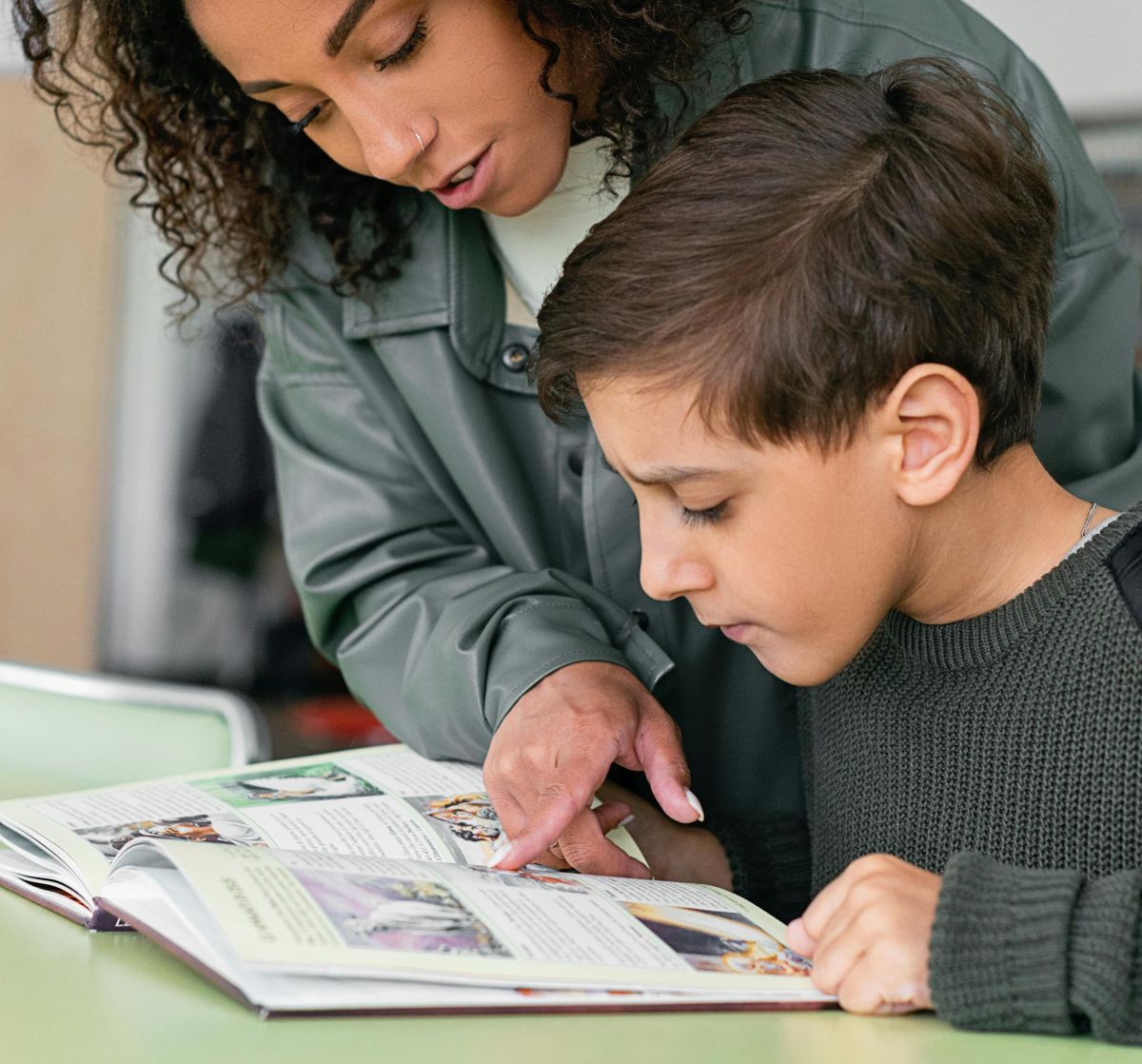
Many parents wonder how they can support their children’s reading and interest in reading. Below are four sets of tips you can use to find ideas for supporting reading and an interest in reading in everyday life: fostering the joy of reading, setting aside time and establishing routines for reading, making reading a requirement, and having conversations at home as part of supporting reading skills.
1. Celebrate reading
An interest in reading stems from positive, warm experiences with reading in everyday life.
- Let your child choose what to read
Getting to choose for yourself makes reading more interesting. If your child has difficulty choosing what to read, try to think about what really interests them. Make use of your child’s interests: If your child is a big soccer fan, find a book about the most amazing moments in soccer history. Someone who is enthusiastic about Halloween might find scary stories interesting. Library staff are also happy to help in finding something to read – and it doesn’t even have to be a book! Comics or magazines may be more appealing to some children, and they may find them easier to pick up than a book.
You can also look for suitable reading material on the following websites:
- Take an interest in your child's reading
Take an interest in what your child is reading: ask them to tell you about the book they are reading, ask follow-up questions, and share their excitement about the book’s world. Share exciting adventures, silly jokes, or weird facts from the book of records.
- Reading to your child is important
Reading to your child, for example reading a longer book as a bedtime story, is a pleasant way for a third-grader to enjoy books. Immersing yourselves in the story, closeness, and spending time together with a parent create warm memories of the reading experience. Your child might also get interested in the book so much that they continue reading it on their own. You can also take turns with your child when you read. Another option is to listen to an audiobook together, for example, while travelling. Listening to stories helps your child improve their comprehension skills and expand their vocabulary. This also helps your child understand how written language differs from the language we use when we speak.
Discussing what have been read is particularly helpful for developing comprehension skills:
- For example, ask your child why they think a character in the book acts or thinks a certain way, or how that character might be feeling.
- Discuss with your child whether there is anything in the story that resembles their own experiences, or whether the story, or part of it, reminds them of another story.
- With older children and teenagers, you can reflect more broadly on various phenomena and world events.
- Make everyday life conducive to reading
It’s a good idea to create a comfortable atmosphere around reading, for example by following these tips:
- Decorate a cosy corner for reading together. Think about what your dream reading corner would look like.
- Explore book recommendations on social media together.
- Have weekly reading time together with the whole family, perhaps with some snacks.
- Make a habit of reading joke books at snack time and sharing the best jokes with each other!
2. Time and routines for reading
Reading routines help maintain reading habits. Think about what kinds of routines might encourage reading in your family.
- Regular library visits
- A regular story time in the evening
- Weekly family reading time
- Your own reading time as a parent – set a good example!
Your example as a parent is important. Today, many parents read texts on digital devices such as smartphones. This means the child may not necessarily see or understand what the parent is doing on their device. Occasionally, you can explain to your child what you are doing on your digital device: you might be listening to an audiobook, reading a book, reading the news, or searching for information. You might also consider going back to reading physical books or magazines to set an example for your child. Your own reading time could be a good routine to have.
3.Require reading
You can also require your child to read if they are not reading on their own. For many third-graders, reading fluently still requires practice. A child may not want to read if their reading is slow and they can’t focus on the story itself when reading. An important part of a parent’s role is to require their child to read, even if the child doesn’t feel like it, so that reading becomes more effortless. However, it is important to maintain a supportive atmosphere.
A suitable reading time length for a third-grader could be, for example, at least 10 to 15 minutes every weekday, but the exact time can be decided together with the child. What is important is that the reading practice is neither too difficult nor too easy, so that the child can have a sense of accomplishment. See more information in How to support reading if your child has difficulty reading or if Finnish is not their first language.
4. Discussions at home support reading skills
All kinds of activities involving texts are important for the development of reading skills. Reading skills are part of broader language competence and comprehension skills. The development of language skills is also supported by everyday conversations in which the child participates. In these discussions, adults set an example and guide the child to think about causality, reasoning, and viewing issues from different perspectives.
Through shared conversations, the child learns new words and concepts and can refine their understanding as needed. Shared conversations also help children link things to a broader context or, alternatively, reduce the tendency for children to overinterpret information.



This website was created in spring 2026 as part of the study Comics as a Gateway to Reading.
Authors: postdoctoral researcher Jenni Ruotsalainen, doctoral researcher Emmi Ulvinen, doctoral researcher Aada Saatsi, Professor Minna Torppa, and the research group of the CRITICAL project.