
Where does the interest in reading come from?
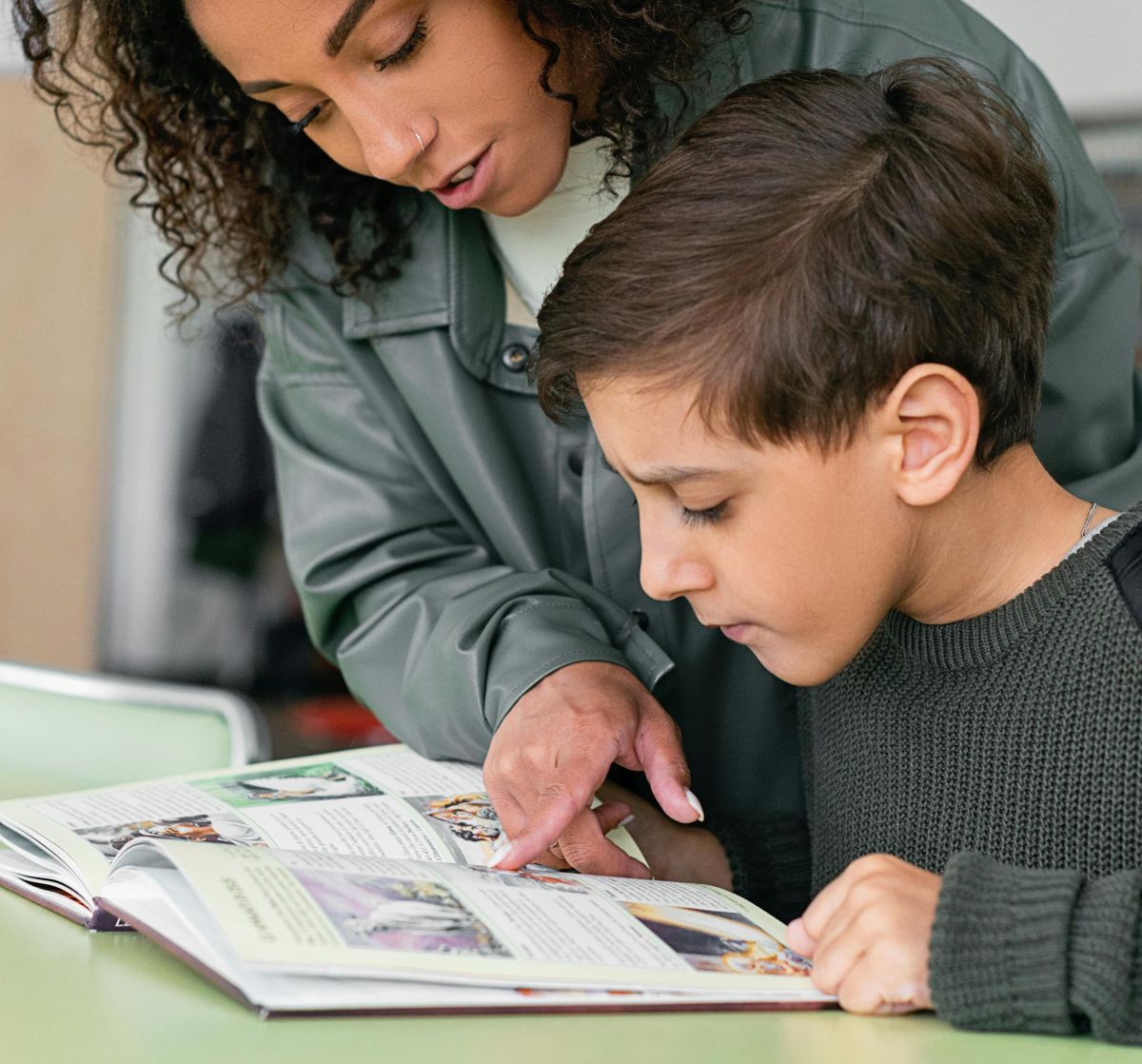
An interest in reading emerges and grows when a child has positive experiences with reading and discovers stories they find interesting. A third-grader may still need an adult’s support to maintain their interest in reading. Reading together, talking about reading experiences, and listening to your child can help you find ways to inspire or maintain their interest in books and stories.
Although reading practice is still important for third-graders, it is just as important that children gain positive experiences associated with reading. At its best, reading is immersion in imaginative adventures that allow you to visit different worlds.

Reading is inspiring when you find a book you enjoy or get hooked on a multivolume story or book series. When a story is really good, you get so absorbed in it you just can’t bring yourself to stop reading. So reading can feel a lot like watching a good movie, playing an exciting game, or taking part in an engaging activity. Reading is also inspiring when you can share your reading experiences and book recommendations with friends.
Sometimes, however, a child may not be interested in reading at all. If you haven’t experienced the joy of reading, it can easily feel like a chore. When reading with a child, it’s a good idea to draw their attention to the content of the text, such as plot twists, interesting facts, or funny jokes. This can distract the child from unpleasant thoughts and feelings, such as the idea that they “have to” read. It is important to talk positively about reading, even though a child’s reluctance can sometimes be frustrating for a parent.
A third-grader’s reading might still be slow enough to hinder their enjoyment of reading. That is why it is important for parents to continue reading aloud to their child as a way to promote an interest in reading. This allows the child to be drawn into the world of the stories as they listen to them.
What kind of reader is your child?
Children have many different needs when it comes to discovering an interest in reading. The right approach can often be found by listening to your child and trying out different ways of doing things.
• Your child is already really excited about reading. That’s great! Maintain a positive attitude and keep looking for new things to read.
• Your child is interested but gets tired quickly. It’s great that they're already showing an interest in reading! What can you do to support it further? Consider reading together, where you also read aloud from time to time.
• Your child isn’t interested in reading. What could be the reason? Is there enough time in everyday life to sit down and read? Has it been difficult to find texts that interest your child? Or is it just that reading is still difficult? Take a moment together to think about what might be causing this reluctance to read. You can also ask your child’s teacher or, for example, the library staff for advice if needed.
You can find more recommendations suitable for all children on the pages below!


This website was created in spring 2026 as part of the study Comics as a Gateway to Reading.
Authors: postdoctoral researcher Jenni Ruotsalainen, doctoral researcher Emmi Ulvinen, doctoral researcher Aada Saatsi, Professor Minna Torppa, and the research group of the CRITICAL project.